Omnyra
An AI native pathogen detection pipeline that flags engineered virulence, toxins, and resistance beyond homology. Built with the FBI WMD Directorate and the Defense Innovation Unit.
Visit Omnyra →FBI WMD, DIU2025 to now
tap a square! the tiles are photos
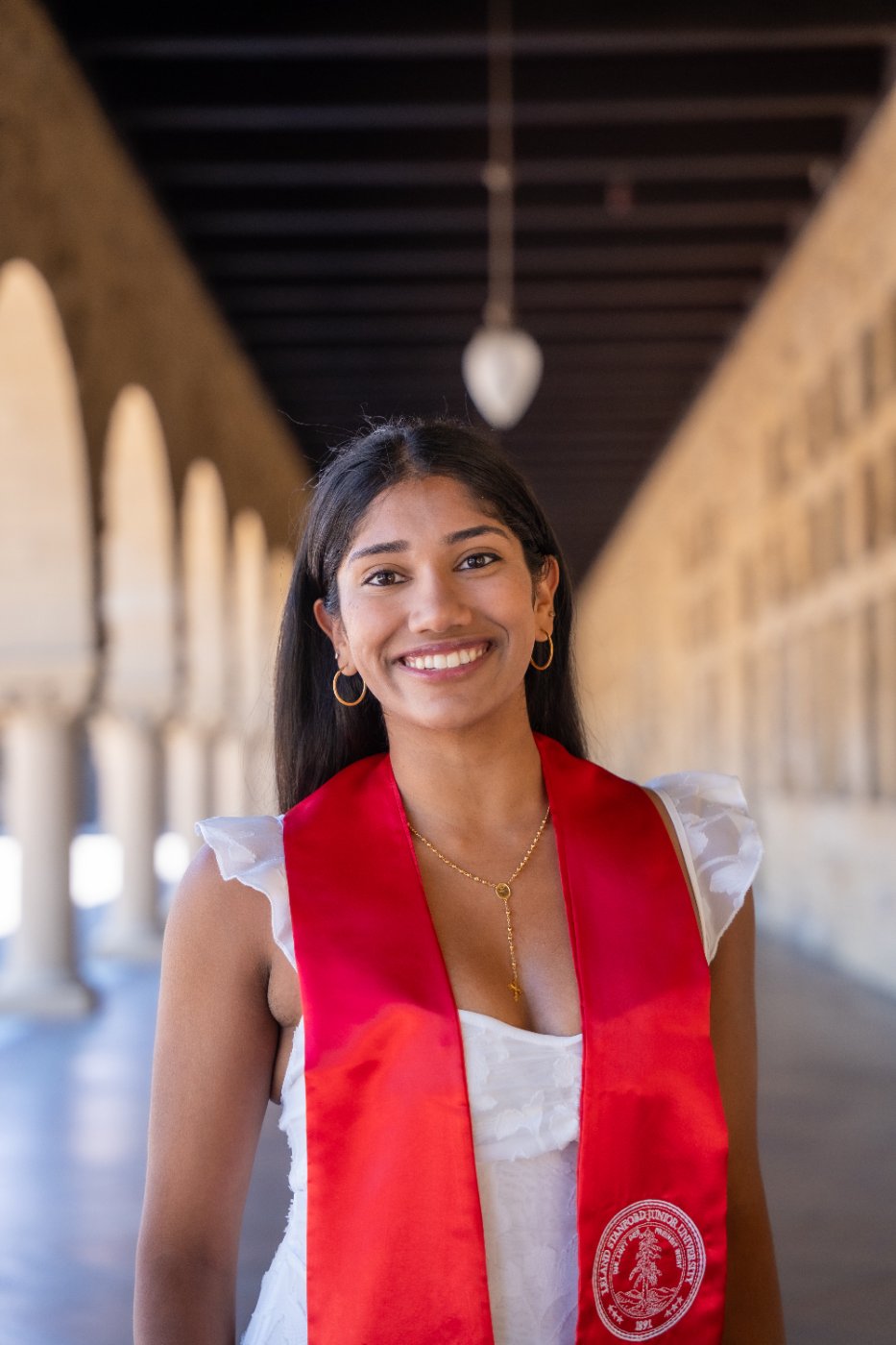
I program biology and engineer its guardrails.
About
A brief history of trying to explain myself. click the pins to see!
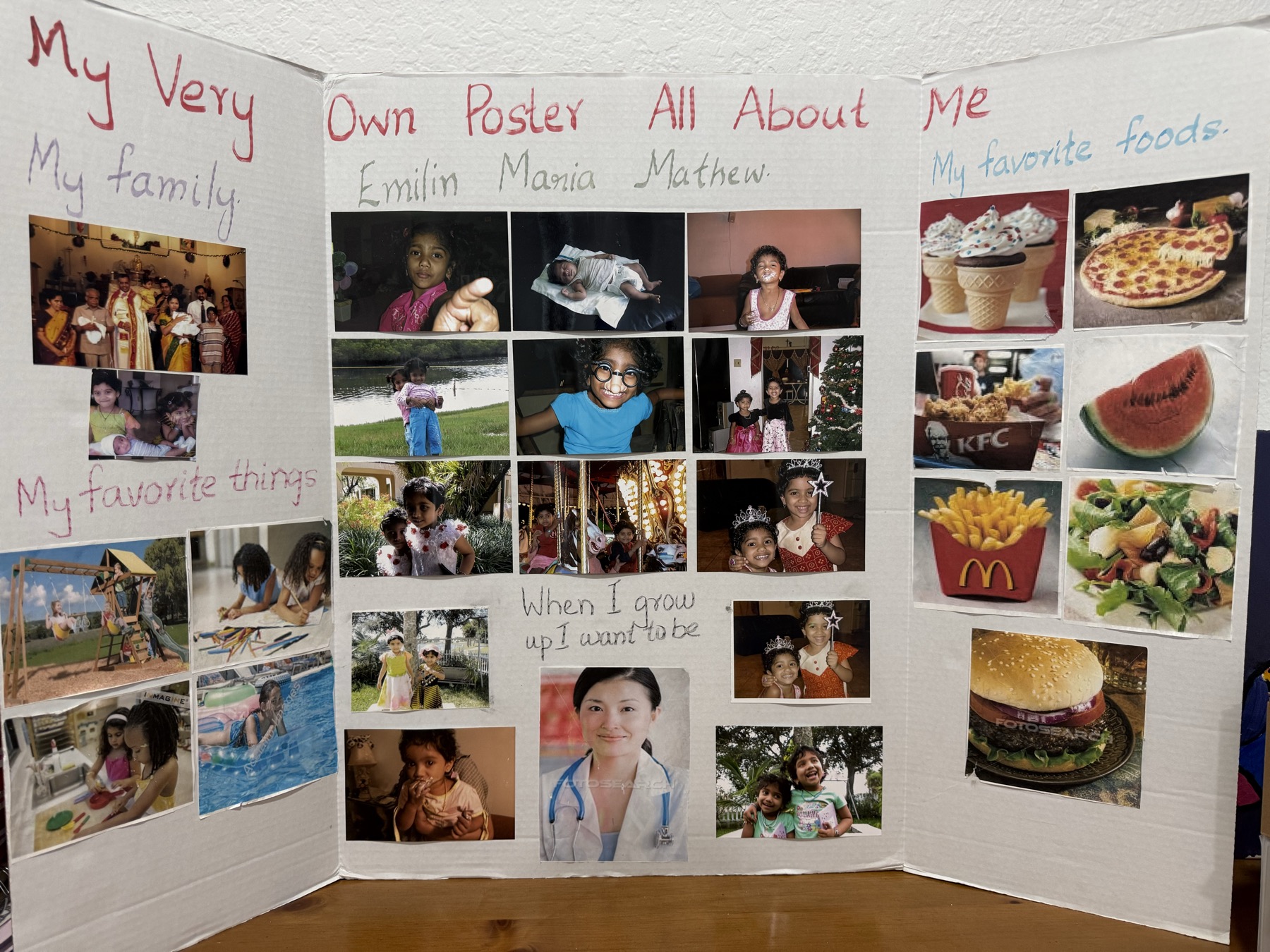
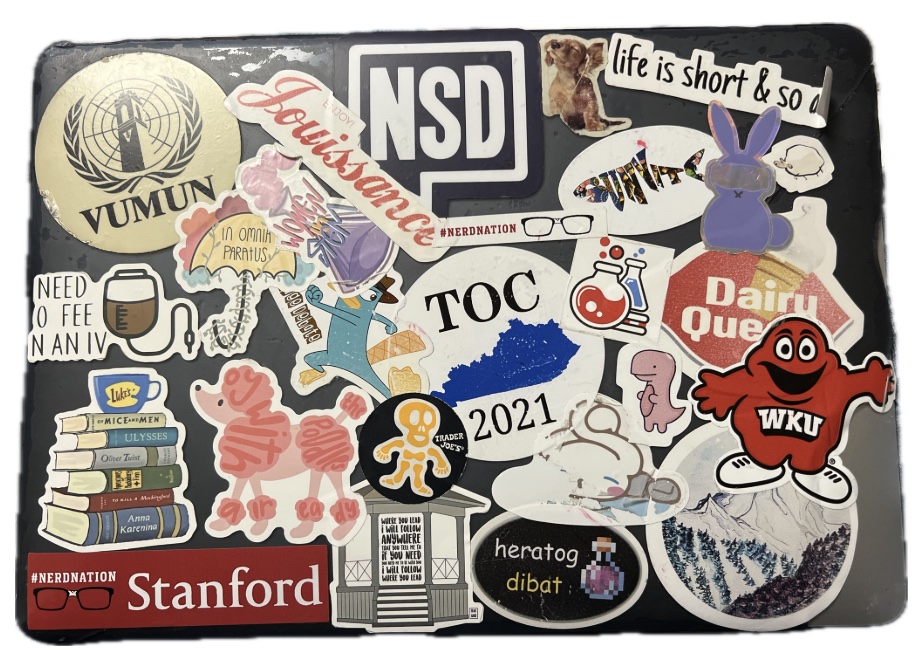
My work sits at the intersection of AI, biology, and security, where I focus on the technical and institutional challenges of biosecurity as biology becomes increasingly programmable. I recently completed an M.S. in Computer Science and a B.S. in Biology at Stanford University.
I founded Omnyra, an AI native platform for pathogen detection, developed in collaboration with the FBI Weapons of Mass Destruction Directorate and the Defense Innovation Unit. More broadly, I'm interested in building systems that identify and mitigate biological risks before they scale. In parallel, I worked on translational research in cardiovascular modeling at Stanford's Cardiovascular Biomechanics Lab and volunteered at the Cardinal Free Clinics. These experiences grounded my interest in connecting frontline medical care with broader systems of preparedness and response.
My background spans engineering, policy, and strategy, with roles across Amazon, OpenAI, Google DeepMind, Cloud Lab, and Fourth Eon Bio. I'll be joining D.E. Shaw as an incoming rotational associate.
I love community building: mentoring founders through ASES Bootcamp, teaching biosecurity to a class of 300+ students, serving as a Resident Assistant at 550, and founding Palo Alto x Stanford Restaurant Weekend to strengthen ties between campus and the local community.
Outside of work, I spend my time weightlifting, dancing, and exploring new coffee shops.
Selected work
An AI native pathogen detection pipeline that flags engineered virulence, toxins, and resistance beyond homology. Built with the FBI WMD Directorate and the Defense Innovation Unit.
Visit Omnyra → ▶
▶
On science education and who actually gets to do research. Given at seventeen, it is still the argument underneath everything I build.
Watch the talk → ▶
▶
Fifty AI builders sat down with Sam Altman. I asked him what OpenAI's actual strategy was for biosecurity, and the clip went semi-viral.
Watch the clip →A no-code vasculature modeler that cuts setup from 30 minutes to under one, plus a hemodynamics visualizer. Both shipped into svZeroDSolver and used by 1,000+ researchers. Honors thesis on vein graft failure after bypass surgery.
View svZeroDGUI → View svZeroDVisualization →Masked autoencoding of protein distance maps for structure-aware representation learning. Self-supervised over 822k fragments, reaching 78% secondary structure accuracy.
View the code → Read the CS231n report →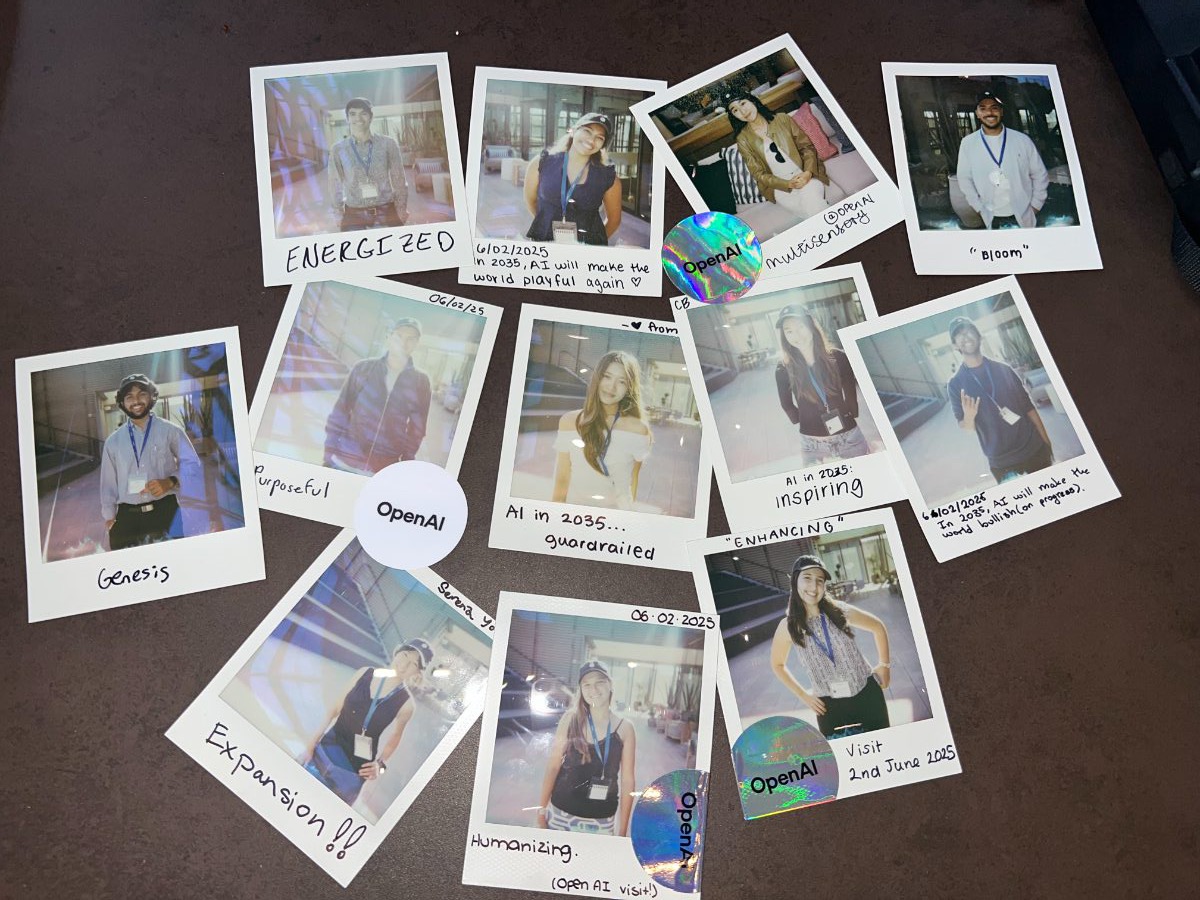 ⤢ View
Launched OpenAI's first campus ambassadorship program across 70+ campuses, ran Stanford's ChatGPT Lab, and helped lead the community and engagement team.
Natural language guided protein engineering. Aligns protein structure embeddings and text through contrastive learning, then decodes modified 3D structures and sequences straight from an instruction like “increase alpha helices.” Built on a GNN Transformer trained over 250k proteins.
View the code →A multi agent system that automatically remediates security debt across Amazon's traffic engineering org. Roughly 200 engineer hours saved a month and 70% adoption.
Surveyed 300+ students across 10+ universities into archetypes that informed Gemini's product roadmap, and ran DeepMind's first U.S. collegiate hackathon on a $20K engagement.
Project Director and Senior Consultant. Advised a global crisis-response initiative on governance and MVP strategy, and delivered a market expansion roadmap for an EV startup. My OpenAI and Google DeepMind engagements ran through Stanford Consulting.
Tech investment associate running end to end due diligence on Y Combinator startups, with deep dives across generative AI, biotech, and fintech to inform LP strategy.
Visit FoundersX →Program Manager for the Cloud Lab, standing up and leading the new division.
Visit Fourth Eon Bio →Models on the national transplant registry that identify at risk kidney grafts at 95% accuracy, supporting earlier allocation decisions.
Maps the misuse risks that generative biology creates and lays out a concrete roadmap for screening, evaluation, and governance.
Read the preprintAn open source solver for zero dimensional models of blood flow, used to simulate patient specific cardiovascular physiology.
View publicationIntroduces datasets and benchmarks for screening synthesized DNA by predicted function rather than sequence homology alone.
View publicationUses automated vocalization analysis to derive objective, quantitative markers that complement clinical autism assessments.
View publicationPrototypes a piezoelectric silk device to modulate HCN1 activity in the prefrontal cortex and probe its role in cognition.
View publicationUses a zebrafish model to compare candidate biomarkers and therapies for acute kidney injury.
View publication